
SAF Workshop in Cottbus: Focus on Economic Viability and Market Ramp-Up
25 & 26 March 2026 / Cottbus, Germany
At the workshop on sustainable aviation fuels held in Cottbus on 25 and 26 March 2026, experts discussed key economic and regulatory issues relating to the market ramp-up.
On 25 and 26 March 2026, the PtX Lab Lausitz, together with the German Aviation Research Society (GARS) and in cooperation with IU International University, and supported by media partner airliners.de, hosted the workshop “The Economics of Sustainable Aviation Fuels” in Cottbus.
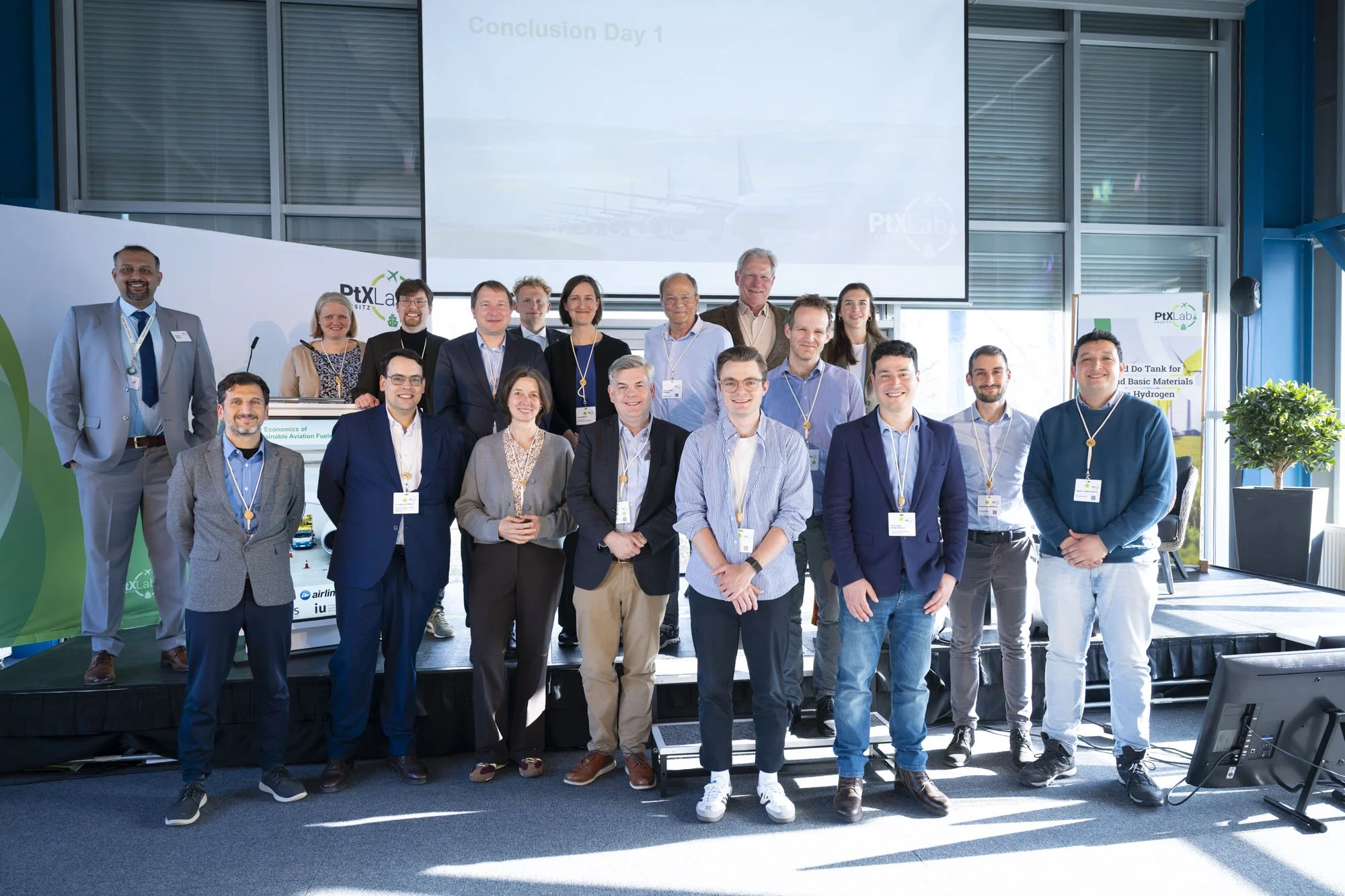
Around 50 participants from academia, industry and politics discussed key economic issues relating to sustainable aviation fuels (SAF) across the entire value chain.
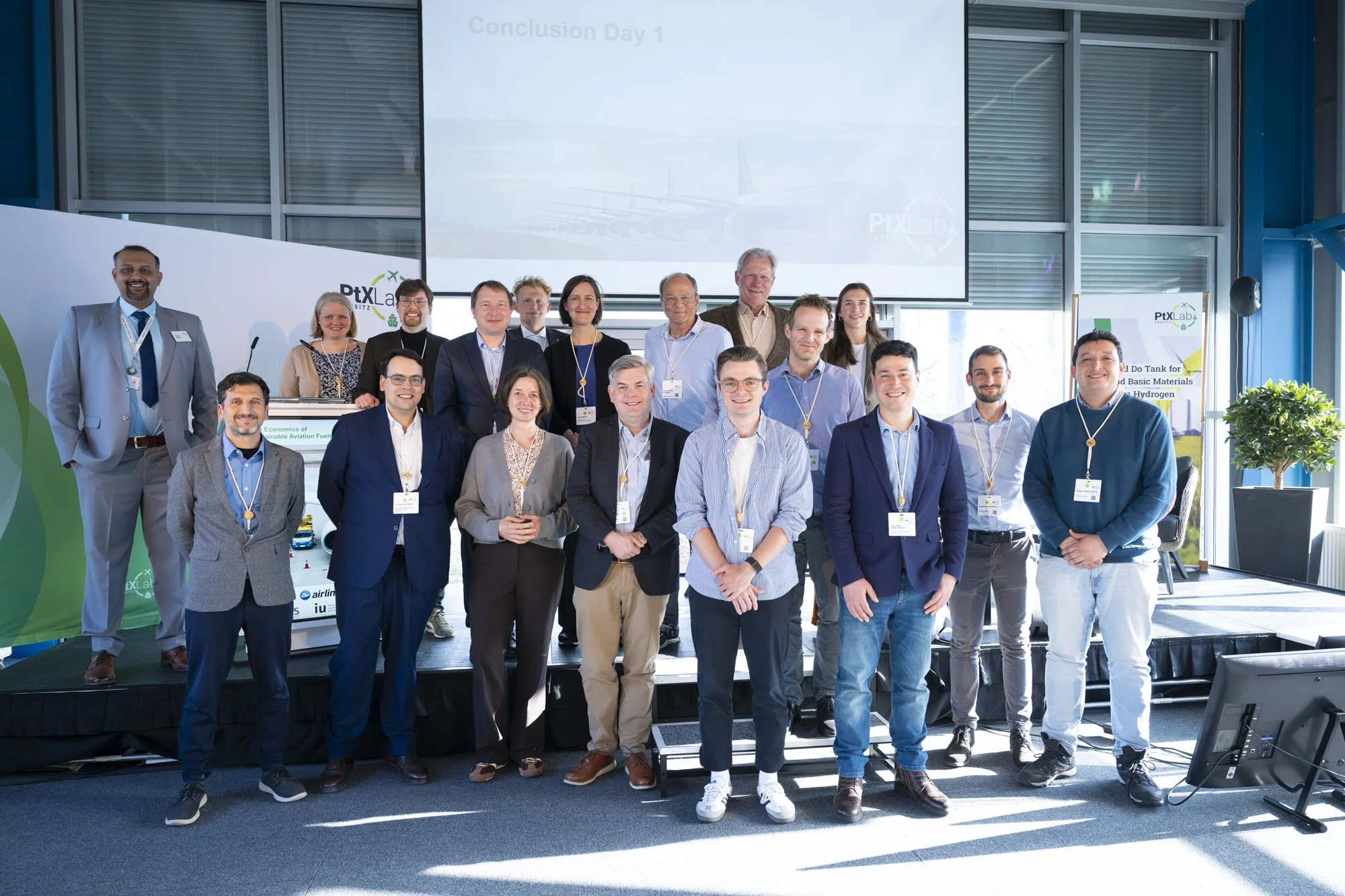
Discussion on Key Economic Challenges Facing SAFs
The widespread introduction of Sustainable Aviation Fuels is regarded as a crucial lever for decarbonising aviation, but it continues to face significant economic challenges. These include, in particular, high production costs, limited scalability, market uncertainties and the need for suitable policy frameworks.
The workshop specifically addressed these topics and examined them across the entire value chain – from production and logistics through market mechanisms and financing to regulatory incentives.
Felix Schmermer, head of section PtX Policy and Market Ramp-Up at PtX Lab Lausitz, emphasised that the technology for eSAF is already available and that both the cost ranges and the existing challenges are becoming increasingly clear. The next step, he said, is less technical in nature and depends primarily on political will, reliable framework conditions and the commitment of industry to enable a genuine market ramp-up.
Technical Input and International Perspectives
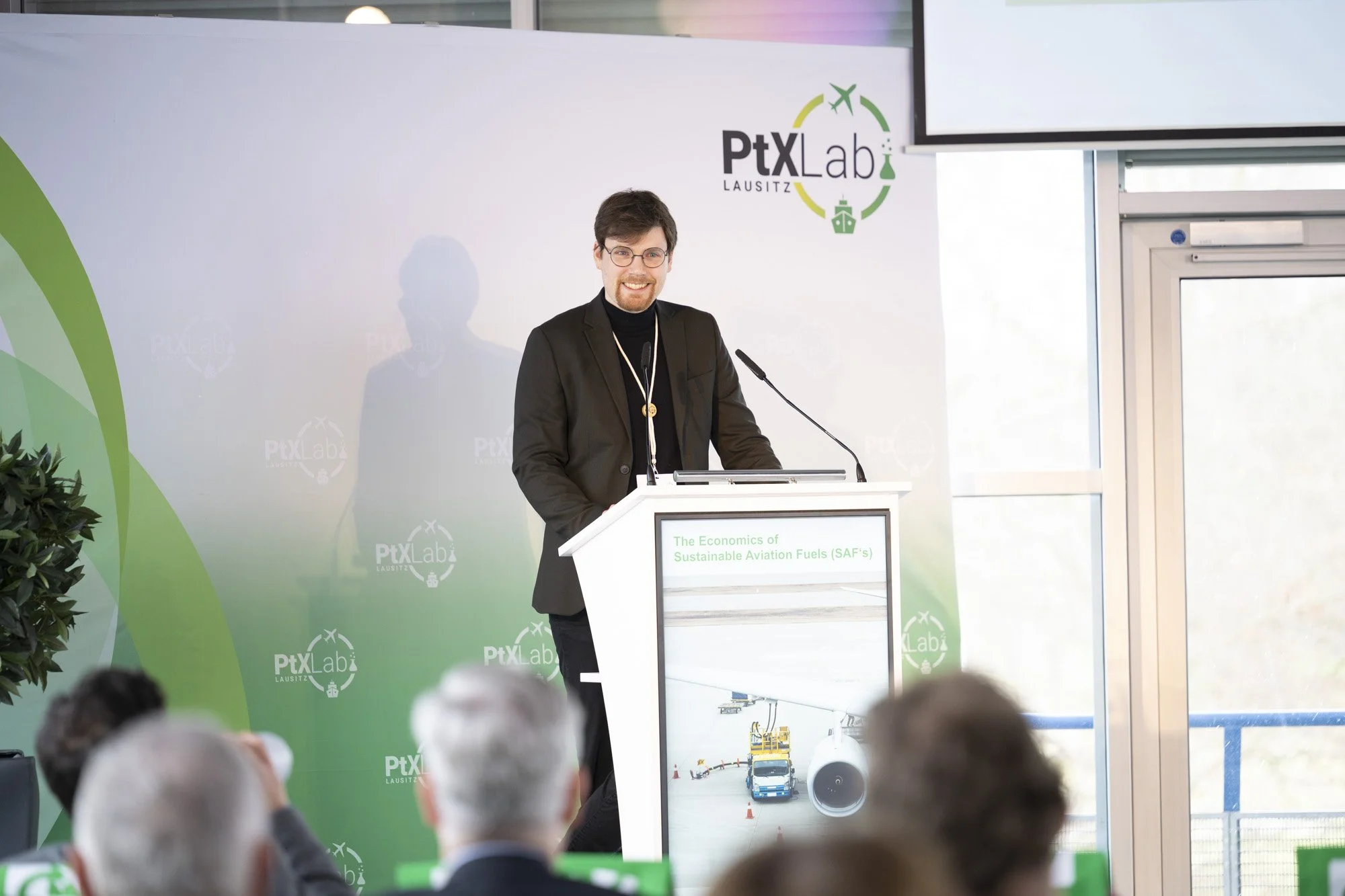
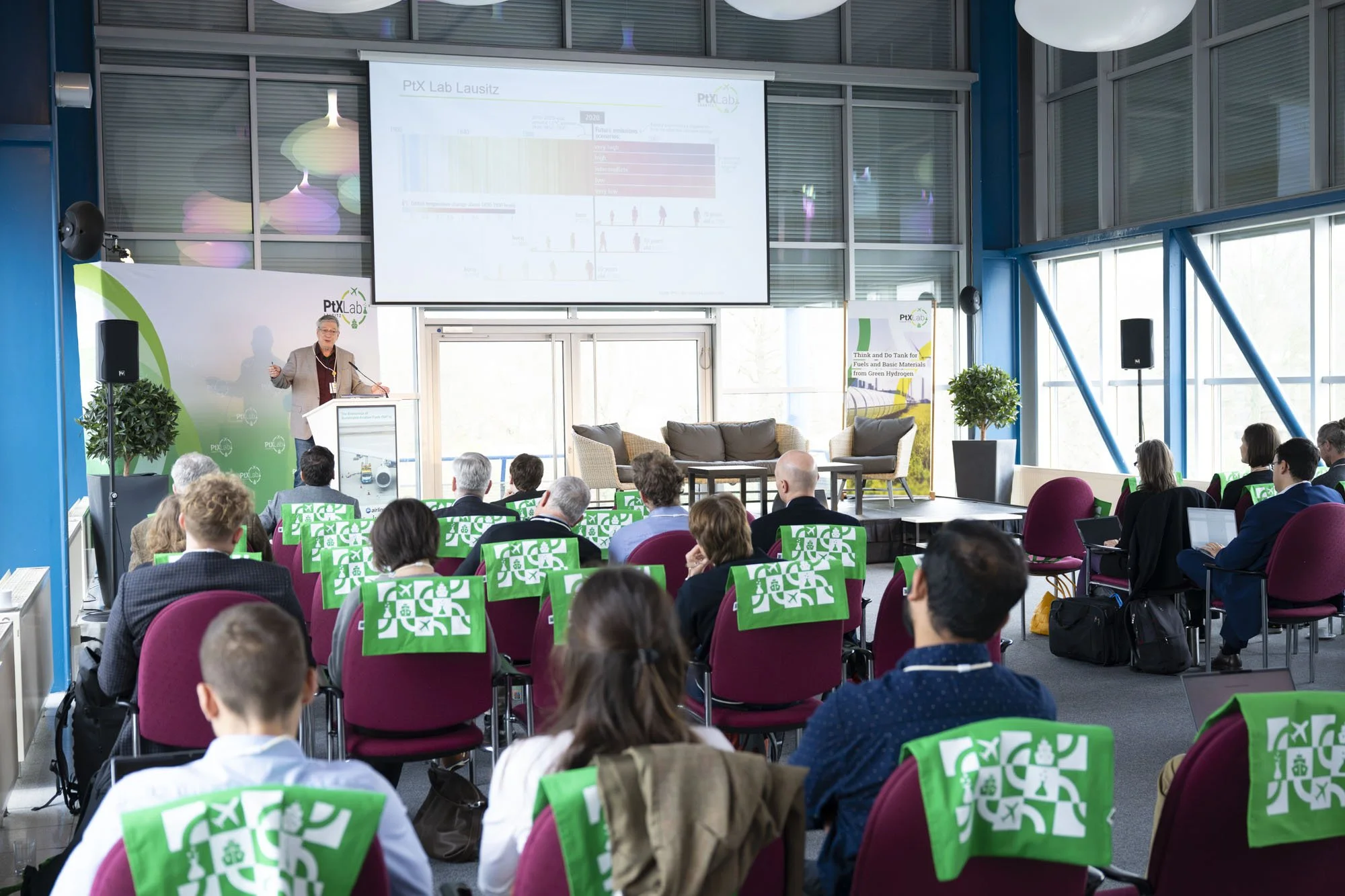
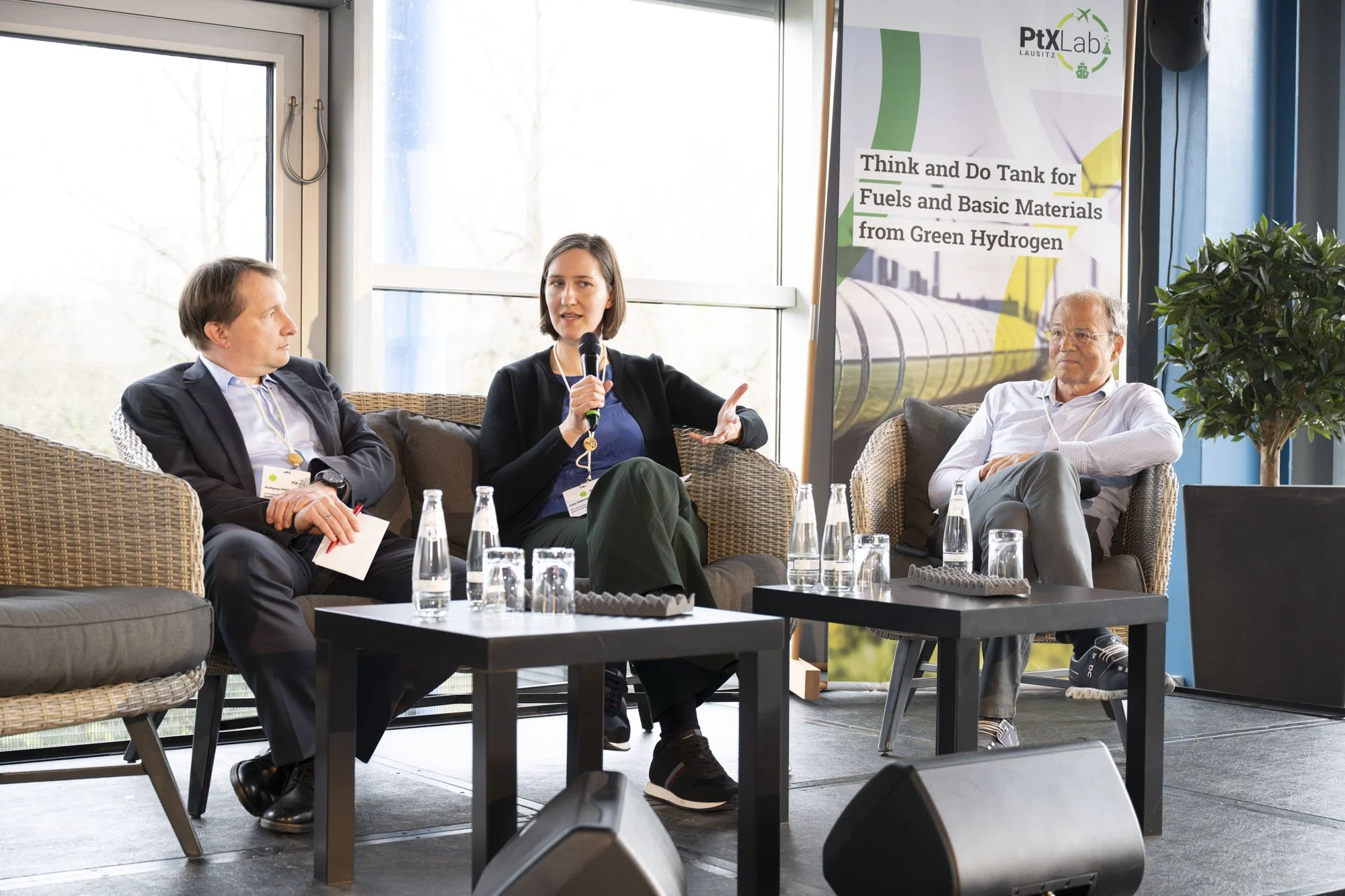
The programme included keynotes, scientific presentations, a panel session and discussions with international experts from research and industry. The panel discussion in particular proved to be a forum for intense debate, with questions regarding the role of the EU ETS, support mechanisms and global market structures being hotly debated.
The first day of the event featured, among other things, introductory presentations on economic and political framework conditions. The programme then addressed key questions regarding the economic viability of various SAF technologies. Presentations focused, among other things, on:
the economic evaluation of new SAF technologies,
production pathways such as Fischer-Tropsch and methanol routes,
as well as the climate costs and emission reduction effects of power-to-liquid fuels.
The programme was complemented by further specialist presentations, for example on case studies, production processes and alternative feedstock sources.
“The workshop addressed the economic, regulatory and social aspects of SAF. Formats featuring presentations and discussions promote the development of this highly complex market. GARS is working with the PtX Lab Lausitz to organise future events.”
Dr Tolga Ülkü, IU Internationale Hochschule/GARS
Networking and Insights into Research
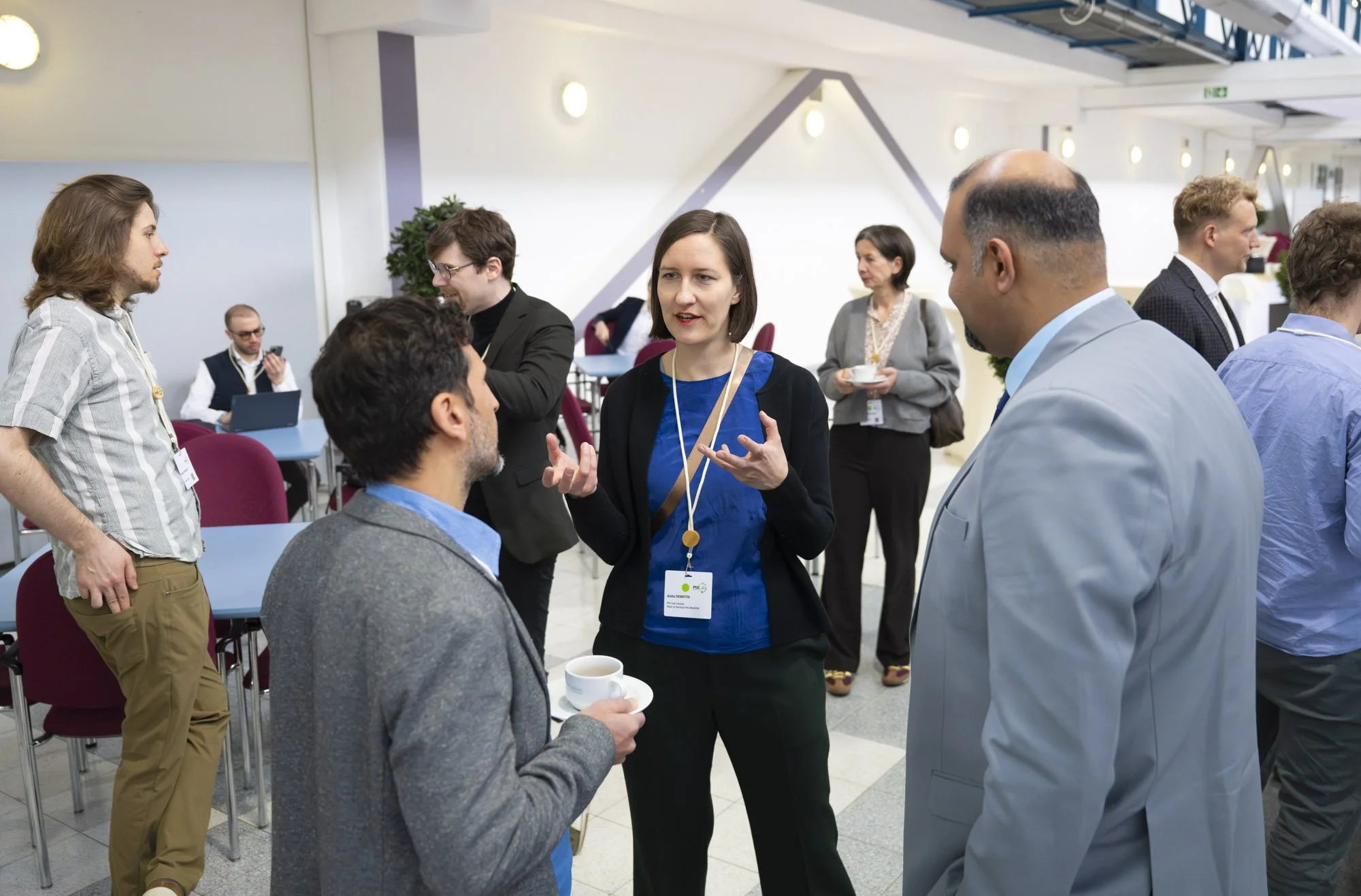
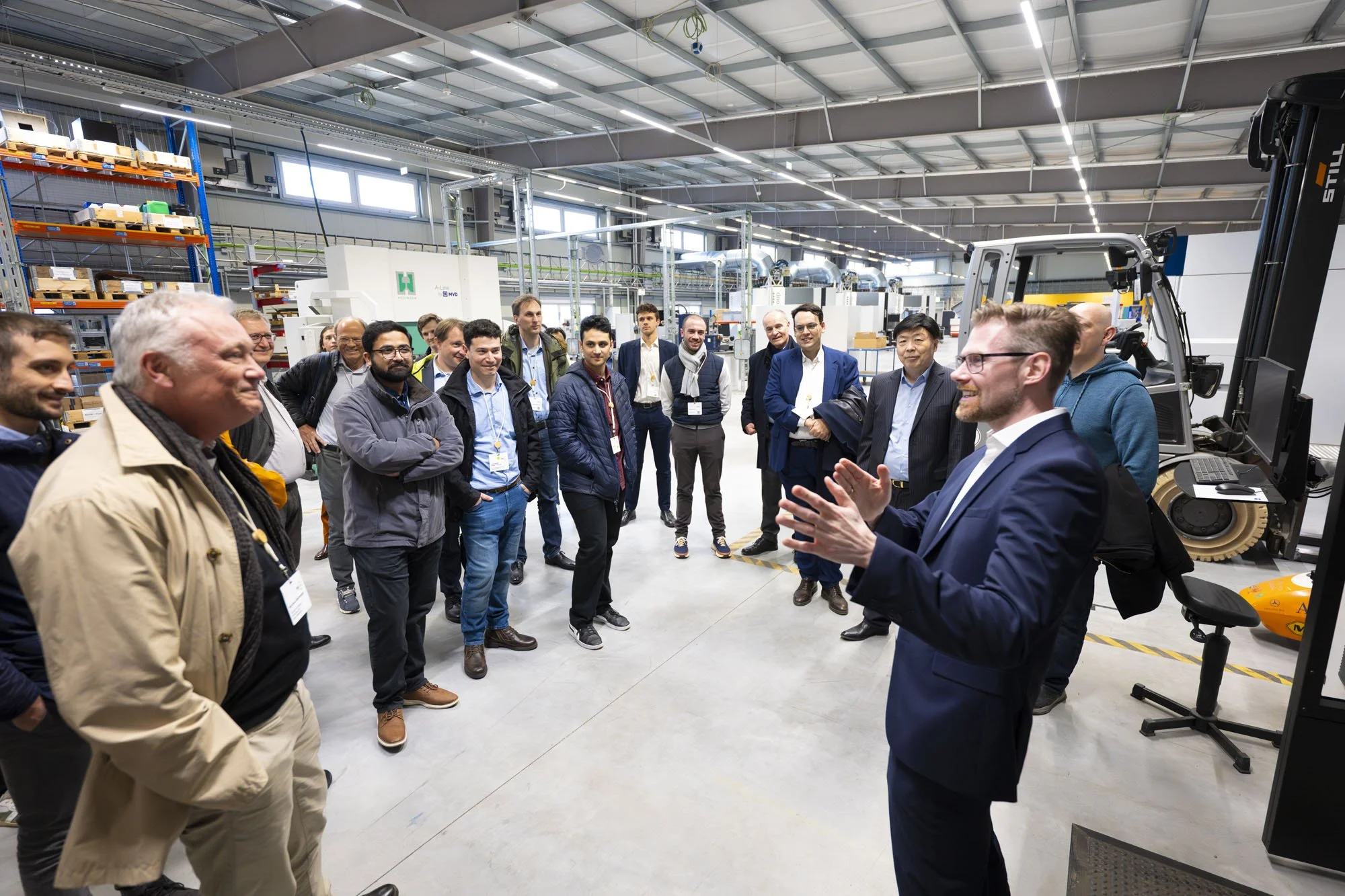
In addition to the technical sessions, the event provided an opportunity for intensive exchange and networking between academia, industry and politics. An accompanying programme of events, and in particular the excursion to the chesco research facility at the BTU Cottbus-Senftenberg, provided practical insights into current developments and production approaches in the field of sustainable aviation fuels.
Copyright for Photos: PtX Lab Lausitz / Jens Jeske